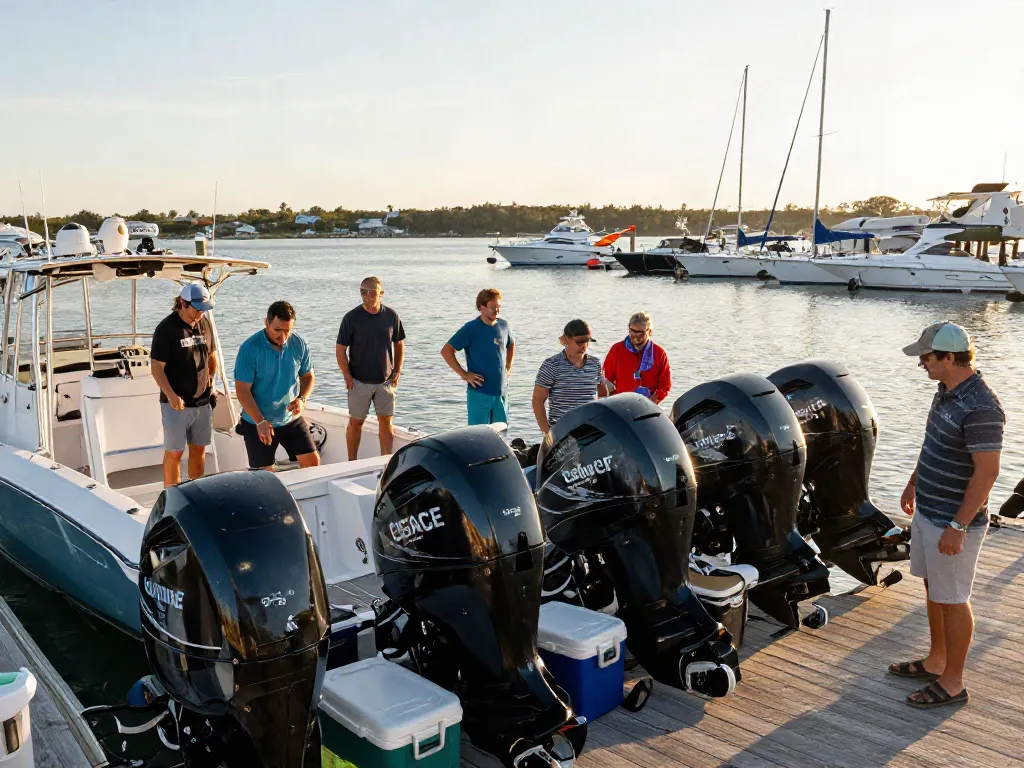
The Importance of Choosing the Right Boat Motor
Choosing the right boat motor is a critical decision for any boat owner, affecting everything from performance and handling to fuel efficiency and overall boating experience. The right motor not only ensures that your vessel operates optimally but also contributes to safety and enjoyment on the water. As you navigate through various options, Boat motors for sale are abundant, but understanding the nuances of each type will help you make an informed choice.
Factors to Consider: Size and Power Requirements
When selecting a boat motor, the size and power requirements are paramount. Each boat has a specific horsepower rating, which guides the size of the motor you should choose. A motor that is too small may struggle to propel your boat, while an oversized motor can lead to inefficient fuel consumption and difficult handling. Typically, the recommended horsepower is based on the boat's weight and intended use, whether it's for leisure cruising, fishing, or watersports.
How to Match Boat Motors to Your Vessel Type
Matching your boat motor to your vessel type is crucial. For example, smaller fishing boats often use portable outboard motors ranging from 2.5 to 15 horsepower, while larger vessels may require high-powered outboards exceeding 250 horsepower. Inboard motors are more suitable for larger boats or those designed for heavy hauling. Additionally, consider the type of water you will be navigating; saltwater engines are engineered to resist corrosion, while freshwater motors may not require such durability.
Common Misconceptions About Engine Types and Performance
Many boat owners harbor misconceptions about various types of engines. A prevalent myth is that two-stroke engines are always more powerful than four-stroke ones. In reality, four-stroke engines tend to offer better fuel efficiency, reduced emissions, and quieter operation. Understanding these differences can guide you toward making an informed choice that aligns with your performance expectations and environmental considerations.
Where to Find Quality Boat Motors for Sale
Locating reliable sources for purchasing boat motors is essential for ensuring quality and value. Numerous online marketplaces and local vendors offer new and used options, making the decision daunting yet manageable.
Top Online Marketplaces for New and Used Motors
The internet has made it easier than ever to find boat motors for sale, with platforms such as eBay, Amazon, and specialized marine retailers like Bass Pro Shops and Online Outboards providing extensive selections. These platforms often feature user reviews that can help you gauge the quality and reliability of various motors before making a purchase.
Local Dealerships vs. Private Sellers: Pros and Cons
Purchasing from a local dealership often comes with the benefits of warranties and after-sale support, which private sellers may not provide. However, private sellers typically offer lower prices, but the lack of guarantees can be a risk factor. Weighing these pros and cons can help you decide the best route for your motor purchase based on your needs and budget.
Evaluating Seller Reputation and Customer Reviews
Before purchasing a boat motor, it's wise to evaluate the seller's reputation. Look for reviews and ratings from previous customers, as these can provide significant insight into the seller's reliability and the quality of the motors. Established sellers with positive feedback are often safer bets than new or unknown vendors.
Understanding Boat Motor Specifications and Features
Knowing what to look for in motor specifications and features can dramatically impact your boating experience. From horsepower ratings to fuel efficiency, these elements play a significant role in your decision-making process.
Key Technical Specs: Horsepower and Fuel Efficiency
Horsepower is a fundamental specification that reflects the motor's ability to propel the boat. Additionally, fuel efficiency is an increasingly important consideration, especially as fuel prices continue to rise. Motors that provide a better miles-per-gallon ratio are generally more cost-effective in the long run, making them a compelling choice for budget-conscious boaters.
Innovative Technologies in Modern Outboard Motors
Modern outboard motors feature cutting-edge technologies designed to enhance performance and user experience. Innovations such as fuel injection, advanced cooling systems, and integrated digital displays make operating a boat more efficient and enjoyable. Staying informed about these technological advancements can help you choose a motor that not only meets your needs but exceeds expectations.
How to Read Motor Labels and Manuals Effectively
Understanding how to read motor labels and manuals is essential for safe and effective operation. These documents contain vital information regarding installation, maintenance, and troubleshooting. Familiarizing yourself with common terminologies and specifications can empower you to perform routine checks on your motor, ensuring longevity and optimal performance.
Negotiating the Best Price for Your Boat Motor
Price negotiation is an integral part of buying a boat motor. Knowing how to approach the negotiation table can help you secure a better deal, whether you’re dealing with a dealership or a private seller.
Strategies for Successful Price Negotiation
One effective strategy is to be well-informed about the market prices for similar motors. Researching online and comparing different sellers can arm you with the necessary information to negotiate confidently. Additionally, don’t hesitate to express your concerns regarding pricing; sellers often appreciate transparency and may be willing to adjust their offers.
Timing Your Purchase for Seasonal Discounts
Timing can significantly influence the price of boat motors. Many dealerships offer discounts during the off-season or around major holidays. Planning your purchase during these periods can lead to substantial savings, making it worthwhile to exercise patience when searching for a new motor.
Understanding Warranties and After-Sale Support
When purchasing a boat motor, understanding the warranty offerings is crucial. A solid warranty can provide peace of mind against potential defects and issues, while also covering maintenance costs during the warranty period. Always read the fine print to understand what is and isn’t covered.
Future Trends in Boat Motors to Watch in 2026
The boat motor industry is evolving rapidly, with exciting trends on the horizon that every boat owner should be aware of as we move toward 2026.
Emerging Technologies: Electric and Hybrid Options
Electric and hybrid outboard motors are expected to gain significant traction in the coming years due to their eco-friendliness and reduced operational costs. These motors are ideal for those who want to minimize their environmental impact while enjoying the benefits of modern boating technology.
Sustainability Focus: Eco-Friendly Motor Innovations
As sustainability becomes a central concern across industries, boat motor manufacturers are focusing on designs that use less fuel and emit fewer pollutants. Innovations like biofuel compatibility and energy recovery systems are on the rise, offering greener alternatives for boaters who care about preserving aquatic ecosystems.
Predictions for the Boat Motor Market in the Next Decade
Industry experts predict that the demand for high-efficiency outboard motors will continue to rise, driven by advancements in technology and an increase in eco-conscious consumers. Greater competition will likely lead to more affordable prices and better quality products in the market.
What are Some Popular Boat Motor Brands and their Offerings?
Among the leading brands in the boat motor market are Yamaha, Mercury, Honda, and Suzuki, each known for their reliability and performance. Yamaha, for instance, offers a wide range of portable and high-powered motors perfect for various boating needs, while Suzuki is recognized for its exceptional fuel efficiency in mid-range outboards.
How Do I Maintain My Boat Motor for Longevity?
Proper maintenance is vital for extending the lifespan of your boat motor. Regularly changing the oil, checking the fuel filters, and cleaning the spark plugs are essential practices that can prevent more significant issues down the line. Additionally, winterizing your motor before storage can protect it from harsh conditions.
Can I Install a Boat Motor Myself?
While some experienced DIYers may successfully install a boat motor themselves, it’s generally advisable to seek professional help. Installation involves various technical skills and knowledge of safety regulations that inexperienced individuals may overlook, leading to potential hazards on the water.
What are the Safety Regulations for Boat Motors?
Safety regulations vary by region but typically include guidelines on allowable motor sizes for different boat types, noise restrictions, and requirements for safety equipment onboard. Familiarizing yourself with these regulations can help ensure a safe and enjoyable boating experience.
Are There Financing Options for Buying Boat Motors?
Many dealerships offer financing options for boat motors, allowing buyers to spread out the cost over time. Additionally, some financial institutions provide specialized loans for recreational equipment, making it easier to invest in high-quality motors without depleting your savings.