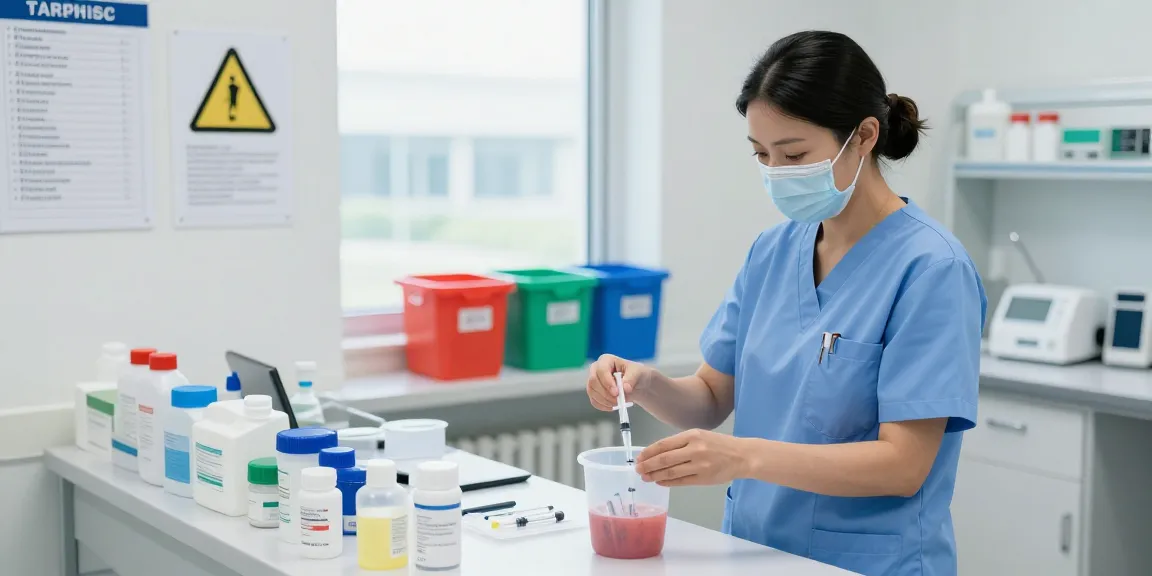
Understanding the Importance of Sharps Containers
Sharps containers are essential tools in healthcare settings, providing a safe method for disposing of potentially hazardous materials such as needles, scalpels, and other sharp instruments. These specially designed containers help protect healthcare workers and the public from injury and exposure to infectious materials. When exploring options, sharps container offer comprehensive insights on safety and compliance for various medical environments.
What is a Sharps Container and Why is it Essential?
A sharps container is a puncture-resistant container specifically designed to safely collect, transport, and dispose of sharps waste. These containers are usually made of a sturdy plastic material that can withstand potential punctures and are often labeled with biohazard symbols to indicate their contents. The primary purpose of a sharps container is to prevent accidental injuries and the potential spread of infections due to improper disposal of contaminated needles and other sharp objects.
Health Risks Associated with Improper Sharps Disposal
Improper disposal of sharps can lead to serious health risks, including the transmission of bloodborne pathogens such as HIV, Hepatitis B, and Hepatitis C. When sharps are disposed of in regular trash, they can easily puncture through bags and pose a risk to sanitation workers, children, and pets. Furthermore, untreated sharps waste can contaminate the environment, leading to broader public health concerns.
Legal Regulations Surrounding Sharps Containers
Various legal regulations govern the disposal of sharps waste at national and local levels. Healthcare facilities are mandated to adhere to the Occupational Safety and Health Administration (OSHA) regulations, which require that sharps containers be properly labeled, used, and disposed of. Failure to comply with these regulations can result in hefty fines and legal liabilities for healthcare organizations.
Choosing the Right Sharps Container
Selecting the correct sharps container is crucial for ensuring safety and compliance within a healthcare setting. Factors such as container size, accessibility, and disposal options must be carefully considered to meet the needs of the facility and its staff.
Different Types of Sharps Containers Available
Various sharps containers are available, including wall-mounted units, portable containers, and large disposal bins. Wall-mounted containers are ideal for areas with limited space and high foot traffic, while portable containers can be conveniently carried by healthcare providers during patient care. Additionally, larger disposal bins are suitable for high-volume facilities, allowing for efficient collection and reduction of overflow.
Factors to Consider for Safe Sharps Disposal
- Capacity: The container should be large enough to accommodate the expected volume of sharps without overflowing.
- Accessibility: Containers should be placed in easily accessible locations for staff but out of reach for unauthorized individuals.
- Sealing mechanism: Containers should have a secure closure to prevent accidental spills and exposure to the contents.
- Material: The container should be made of puncture-resistant material to withstand sharp objects.
Cost-Effectiveness of Various Sharps Containers
While the initial cost of a sharps container may vary based on size and material, it is crucial to consider the long-term benefits. Investing in high-quality sharps containers can reduce the risk of injuries and associated costs, such as workers' compensation claims and potential lawsuits. Therefore, evaluating the cost-effectiveness of different containers is an essential part of planning for safe sharps disposal.
Best Practices for Using Sharps Containers
Following best practices when using sharps containers can significantly enhance safety and compliance in healthcare settings. This includes proper disposal methods, strategic placement, and regular maintenance of the containers.
How to Properly Dispose of Sharps in a Container
To ensure safe disposal, healthcare workers should follow these steps:
- Immediately dispose of used sharps after use, and avoid passing them from hand to hand.
- Place sharps directly into the container without attempting to recap, break, or bend them.
- Ensure the container is not overfilled; if it reaches the fill line, it should be replaced immediately.
Placement and Accessibility of Sharps Containers
Strategic placement of sharps containers is crucial for safe disposal practices. They should be located near areas where sharps are used, such as examination rooms and treatment areas, to encourage immediate disposal. Additionally, containers should be clearly labeled and easily accessible while ensuring they are out of reach of children and unauthorized individuals.
Maintaining Sharps Containers: Guidelines and Tips
Regular maintenance of sharps containers includes monitoring fill levels, ensuring containers are securely closed, and replacing them when necessary. Staff should also be trained to recognize when a container is overfilled and to follow proper procedures for replacing and disposing of full containers safely.
Common Challenges and Solutions in Sharps Disposal
Despite the awareness of sharps container safety, various challenges still exist in healthcare settings regarding the disposal of sharps. Identifying these challenges and implementing solutions can enhance safety and compliance.
Addressing Misconceptions About Sharps Containers
One common misconception is that all containers can safely hold sharps waste. In reality, not all containers are designed for sharps disposal, and using inappropriate containers can lead to increased risks. Educating staff on the specific types of sharps containers and their intended use can help mitigate this issue.
Handling Overfilled or Compromised Containers
Overfilled or compromised sharps containers pose significant safety risks. Healthcare facilities should establish a protocol for identifying and replacing containers before they reach full capacity. If a container is compromised, staff should avoid handling it and report the issue to the appropriate department for safe disposal.
Training Staff on Safe Sharps Disposal Practices
Providing comprehensive training for staff on safe sharps disposal practices is essential in minimizing risks. Regular training sessions should cover proper disposal techniques, the importance of using designated sharps containers, and the legal regulations governing sharps disposal.
The Future of Sharps Containers in Healthcare
As we look toward 2026, innovations in sharps disposal solutions are likely to emerge alongside evolving healthcare needs. Awareness of these advancements can help healthcare organizations adapt to improved safety standards and environmental considerations.
Innovations in Sharps Disposal Solutions for 2026
Emerging technologies, such as smart sharps containers equipped with sensors to alert staff when they are full, are likely to gain traction. These innovations can enhance efficiency by reducing the frequency of manual monitoring and ensuring that containers are replaced timely.
Emerging Trends in Healthcare Waste Management
There is a growing trend towards sustainability in healthcare waste management. New solutions are being developed to not only ensure safe disposal of sharps but also to explore recycling initiatives that could mitigate the environmental impact of medical waste.
Global Standards and Compliance Changes to Consider
Healthcare facilities must stay informed about changes in global standards related to waste management and sharps disposal. Compliance with international regulations can enhance safety and reduce the risk of legal issues related to improper disposal practices.
What materials can be disposed of in a sharps container?
Sharps containers are designed specifically for the disposal of sharp objects such as needles, syringes, blades, and broken glass. It is essential not to place any other types of waste in these containers to maintain safety and compliance as there are legal regulations governing their contents.
How often should sharps containers be replaced?
Sharps containers should be replaced when they reach the designated fill line or exhibit signs of damage. Regular monitoring is critical to ensure that containers do not become overfilled, which can lead to safety hazards for healthcare workers and patients.
What are the environmental impacts of improper sharps disposal?
Improper disposal of sharps can lead to contamination of the environment, posing risks to public health. Sharp objects may end up in landfills, leading to injuries or exposure to hazardous materials. Moreover, the potential for bloodborne pathogens to spread to wildlife and humans is a significant concern.
Can sharps containers be recycled?
Generally, sharps containers are not recyclable due to the hazardous materials they contain. However, some manufacturers and healthcare facilities are exploring recycling options for certain types of medical waste, including sharps, through specialized programs.
What should I do if I encounter a damaged sharps container?
If a damaged sharps container is encountered, it is essential to avoid handling it and to alert appropriate personnel immediately. The compromised container should be secured and disposed of following established protocols to ensure the safety of all individuals in the vicinity.