Understanding Mold and Its Risks in North Vancouver
Mold is a common issue that affects many homes and businesses in North Vancouver, particularly due to the region's coastal climate and high humidity levels. Understanding mold and its potential risks is crucial for homeowners and property managers alike. Mold thrives in damp environments, making areas with water leaks, poor ventilation, and high moisture levels prime targets for growth. If left untreated, mold can lead to significant health and structural issues, emphasizing the need for effective remediation solutions. If you're facing mold issues, you may want to consider Mold Remediation North Vancouver to address your concerns comprehensively.
What is Mold and Why Is It a Concern?
Mold is a type of fungus that can be found both indoors and outdoors. It plays a vital role in the ecosystem by breaking down organic matter. However, when mold enters a home or business, it can cause various problems. Mold reproduces through spores that are released into the air, which can trigger allergic reactions and respiratory issues. Different types of mold, such as black mold, can pose severe health risks, including neurological damage and chronic respiratory diseases.
Health Risks Associated with Mold Exposure
Exposure to mold can lead to numerous health issues, especially for individuals with pre-existing conditions such as asthma or allergies. Symptoms can include:
- Respiratory problems such as wheezing and coughing
- Allergic reactions, including sneezing and skin irritation
- Chronic fatigue and headaches
- In severe cases, mold exposure can also lead to serious infections or other health complications
Understanding these risks helps underscore the importance of addressing mold issues promptly and effectively.
How Coastal Climate Contributes to Mold Growth
The coastal climate of North Vancouver, characterized by frequent rainfall and high humidity, creates an ideal environment for mold growth. Buildings that are not adequately waterproofed or ventilated can become breeding grounds for mold. Condensation on windows, roofs, and walls can contribute to higher moisture levels, leading to mold proliferation. Homeowners must be proactive in moisture control to prevent mold infestations.
The Importance of Professional Mold Remediation
While DIY methods might seem appealing, professional mold remediation services provide a thorough approach that ensures safety and efficacy. Certified specialists understand the complexities of mold issues and employ advanced techniques to eradicate it safely.
What to Expect from a Certified Mold Remediation Service
When engaging a professional mold remediation service, you can expect a systematic approach. Initially, experts will conduct a comprehensive inspection to identify mold locations and assess moisture levels. They will then create a detailed action plan tailored to the specific conditions of your property.
Benefits of Hiring Experts for Mold Assessment
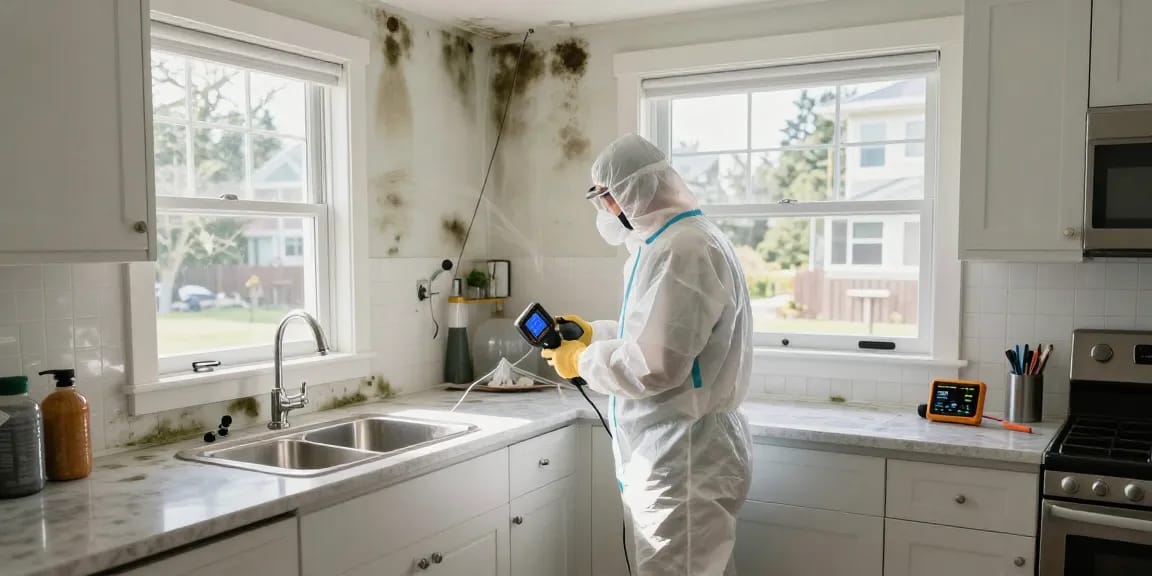
Professional mold assessors use cutting-edge technology and techniques, such as thermal imaging and moisture meters, to detect hidden mold that may not be visible to the naked eye. This thorough assessment is critical for effective remediation. Experts are also equipped to handle hazardous materials safely, minimizing risks during the removal process.
How Mold Remediation North Vancouver Ensures Safety
Using industry-standard practices, certified professionals ensure the safe removal of mold. This includes containing the affected area to prevent spore dispersal, using HEPA filtration systems to purify the air, and employing antimicrobial treatments to eliminate mold colonies. After remediation, these services often include restoration tasks to return your property to its pre-mold condition.
The Mold Remediation Process: Step-by-Step
Understanding the mold remediation process can alleviate concerns for homeowners and businesses. Here’s what typically happens during a professional mold removal service.
Initial Mold Inspection and Moisture Analysis
The process begins with a thorough inspection to find visible mold and identify moisture sources. Professionals will check areas that are frequently overlooked, such as attics, crawlspaces, and wall cavities. Moisture meters are employed to ascertain humidity levels and pinpoint hidden leaks.
Containment and Extraction Procedures
Once mold is identified, the next step is containment. This prevents spores from traveling into unaffected areas. Technicians will set up physical barriers and use negative air pressure techniques. Contaminated materials may be removed, ensuring they are disposed of safely to avoid further contamination.
Sanitation Methods and Restoration Techniques
After the removal of mold-infested materials, the area undergoes rigorous cleaning and decontamination. This includes using antifungal agents and antimicrobial treatments to eliminate any remaining spores. Lastly, restoration may involve repairing structural damage or replacing materials such as drywall, depending on the extent of mold damage.
Preventing Future Mold Growth in Your Property
Once mold remediation is complete, it’s crucial to implement preventive measures to minimize the potential for future infestations.
Effective Home Maintenance Tips for Moisture Control
Preventing mold growth starts with effective moisture control:
- Ensure proper ventilation in high-humidity areas like bathrooms and kitchens.
- Use dehumidifiers to combat humidity levels, especially during rainy seasons.
- Regularly inspect your home for leaks and water damage.
Utilizing Antimicrobial Treatments After Remediation
Applying antimicrobial treatments post-remediation can help secure the space against future mold growth. These solutions create an environment that is less hospitable for mold while also providing lasting protection.
Regular Inspections: A Proactive Approach to Mold
Conducting regular inspections can help catch mold issues before they escalate. Homeowners should consider scheduling periodic professional assessments, especially after intense weather events or significant moisture exposure.
Frequently Asked Questions about Mold Remediation
Here are some common queries regarding mold remediation to further help homeowners and businesses understand the process and implications.
What are common signs of mold in my home?
Signs of mold include visible growth on surfaces, musty odors, and moisture accumulation in specific areas. Homeowners should routinely check basements, bathrooms, and around windows.
How much does mold remediation cost in North Vancouver?
The cost of mold remediation can vary significantly based on factors such as the extent of the infestation, the size of the affected area, and the type of materials involved. On average, homeowners can expect to spend between $1,500 and $3,000.
Can I stay in my home during mold remediation?
In many cases, it’s advisable to vacate your home during the remediation process, especially if the mold growth is extensive. Professionals will assess the situation and can provide guidance based on the level of risk involved.
How long does the mold remediation process typically take?
The duration of the remediation process depends on various factors, including the extent of mold contamination and the specific conditions of your property. On average, remediation can take anywhere from a few days to a week.
What should I do if I suspect mold growth in my property?
If you suspect mold growth, it's essential to contact a certified mold remediation service promptly. Quick action can prevent further damage and ensure a safe living environment.