Understanding Common Range Issues
Ranges are indispensable appliances in our kitchens, often serving as the hub for meal preparation and family gatherings. However, like any appliance, they can encounter various issues that hinder their performance. Understanding these problems not only saves time but also saves money on unexpected repairs. Whether you're dealing with uneven cooking temperatures, malfunctioning burners, or even electronic control failures, knowing the common issues can pave the path for effective troubleshooting or professional intervention. When exploring options, Range Repair Richmond Hill provides comprehensive insights to help guide you through these challenges.
1. Types of Range Problems
Ranges can experience a variety of issues, often categorized into several main types:
- Heating Issues: These can manifest as either too hot or insufficient heating. This may be due to faulty thermostats, heating elements, or gas burners.
- Electrical Failures: Problems with the control panel, display, or ignition system can prevent the range from functioning properly.
- Mechanical Problems: Issues such as broken knobs, damaged oven doors, or malfunctioning fans can hinder use.
- Gas Leaks: A serious safety concern, gas leaks require immediate professional attention to prevent hazards.
2. Safety Concerns with Range Repairs
Safety should always be a priority when addressing range issues. Gas ranges pose particular dangers due to potential leaks, which can lead to explosions or carbon monoxide buildup. Always ensure proper ventilation and compliance with safety regulations during repairs. Additionally, electrical components can pose risks of shock or fire if not handled correctly. If you're unsure, it's best to consult a professional to avoid accidents.
3. How to Identify Signs of Trouble
Early detection of problems can mitigate costly repairs. Keep an eye out for the following indicators:
- Inconsistent Cooking: If food is burning or undercooked, it may indicate a faulty thermostat or heating element.
- Unusual Noises: Clicking, buzzing, or popping sounds can point to mechanical or electrical faults.
- Strange Smells: Any gas odor requires immediate action. Electrical issues may emit burnt smells.
- Visible Damage: Cracks in the oven glass or damaged control knobs can signal deeper issues.
Essential Tools for Range Repair
Whether you're a professional technician or a homeowner looking to tackle minor repairs, having the right tools is crucial for effective range maintenance.
1. Must-Have Tools for Technicians
Technicians often utilize specialized tools to diagnose and repair range issues efficiently. Common tools include:
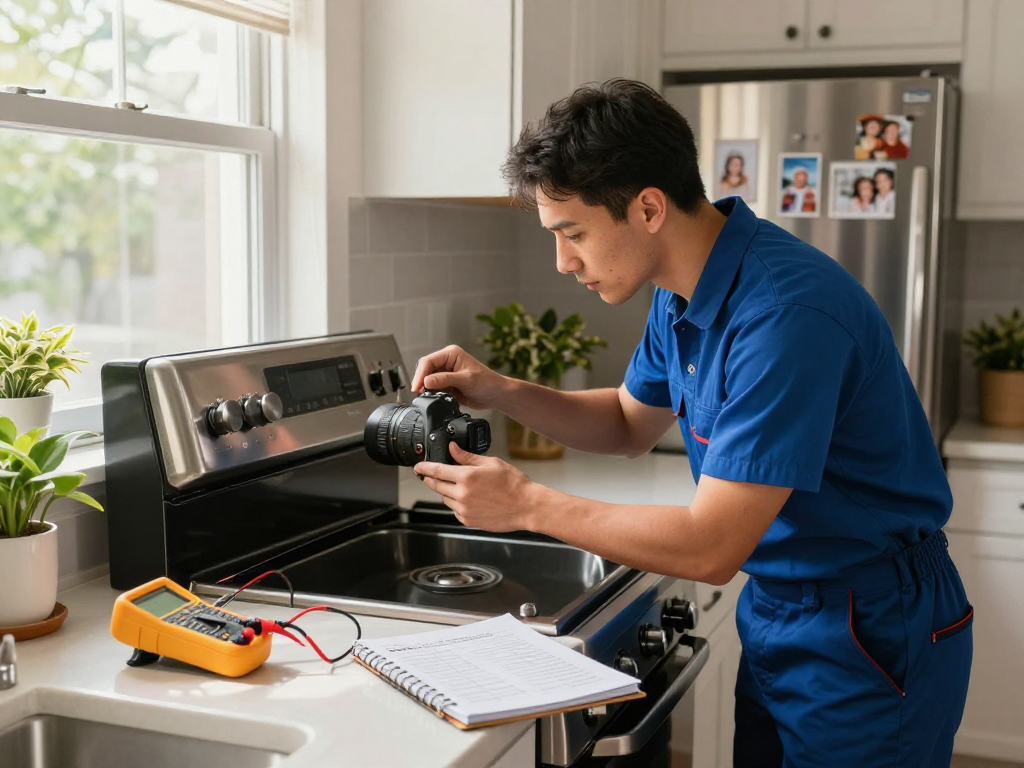
- Multimeter: Essential for diagnosing electrical problems by measuring voltage, current, and resistance.
- Socket Set: Useful for removing and securing parts throughout the range.
- Screwdrivers: A variety of sizes and types, including Torx and Phillips, are necessary for different screws.
- Plumbing Wrench: Required for tight fittings, especially in gas ranges.
2. DIY Repair Kits for Homeowners
For homeowners wanting to handle minor repairs, DIY kits can be incredibly valuable. These kits typically include:
- Replacement Parts: Common components such as heating elements and spark igniters.
- Basic Tools: Screwdrivers, pliers, and wrenches that can help with simple fixes.
- Instruction Manuals: Guides that help in understanding how to navigate repairs safely.
3. Safety Gear and Precautions
Adopting safety measures during repairs is essential. Always wear gloves to protect your hands and goggles to shield your eyes from debris or chemicals. Ensuring the range is unplugged or gas is turned off before starting repairs is crucial to prevent accidents.
Best Practices in Range Maintenance
To ensure a long life for your range, regular maintenance is essential. This includes both cleaning and preventive care.
1. Regular Cleaning Tips
Keeping your range clean helps prevent malfunctions and prolongs its lifespan:
- Daily Wipe Downs: After each use, wipe down surfaces to prevent residue buildup.
- Deep Cleaning: Monthly thorough cleaning of burners, racks, and interior using appropriate cleaners.
- Check Seals: Inspect door seals regularly to ensure they are intact to prevent heat loss.
2. Preventive Maintenance Techniques
In addition to cleaning, incorporating preventive measures can help minimize the risk of breakdowns:
- Regular Inspections: Frequently check for signs of wear and tear on key components.
- Professional Tune-Ups: Schedule annual inspections with a qualified technician to ensure optimal performance.
- Voltage Check: For electric ranges, ensure proper voltage using a multimeter to prevent electrical issues.
3. How to Extend the Life of Your Range
To maximize the longevity of your appliance, consider these strategies:
- Proper Usage: Adhere to manufacturer guidelines regarding usage and materials to avoid damage.
- Avoid Overloading: Do not overcrowd the oven or cooktop to ensure even cooking and prevent overheating.
- Upgrade Components: Invest in high-quality replacement parts when necessary to enhance performance.
When to Call a Professional
While many minor repairs can be handled independently, some situations require professional intervention. Knowing when to call for help is vital.
1. Identifying Complex Issues
Complex problems, such as electrical failures or gas leaks, should always be handled by licensed professionals to ensure safety and compliance with regulations. If you're uncertain about the nature of the problem, it’s best to err on the side of caution.
2. Cost-Benefit Analysis of Professional Services
Before deciding to pursue DIY repairs, conduct a cost-benefit analysis. Weigh the cost of tools and parts against the expense of hiring a professional, factoring in potential risks of improper repairs.
3. Finding Reliable Repair Services in Richmond Hill
When seeking repair services, prioritize local companies with good reviews and qualified technicians. Recommendations from friends or online platforms can help identify reliable professionals.
Future Trends in Range Repair Services
The landscape of appliance repair is evolving rapidly, driven by technological advancements and changing consumer expectations.
1. Innovations in Appliance Technology
Smart ranges equipped with connectivity features are becoming the norm, offering self-diagnosis and remote monitoring capabilities. These innovations not only simplify repairs but also enhance user experience.
2. Emerging Repair Techniques
Technicians are increasingly adopting techniques such as predictive maintenance, where data analytics inform repair decisions. This approach minimizes downtime and improves service efficiency.
3. Customer Expectations for 2026
As technology continues to advance, consumers will expect quicker service, greater transparency, and enhanced communication from repair professionals. For more information, Appliance Repair offers valuable insights. Building a customer-centric approach will be essential for companies to remain competitive.