Understanding Metal Roofing: Benefits and Features
As homeowners in Toronto look for durable and cost-effective roofing solutions, metal roofing toronto has emerged as a top choice. With a blend of aesthetic appeal and practical benefits, metal roofs are gaining traction in an area known for its harsh climate. This article delves into the essential aspects of metal roofing, covering its benefits and features to help homeowners make informed decisions.
What is Metal Roofing?
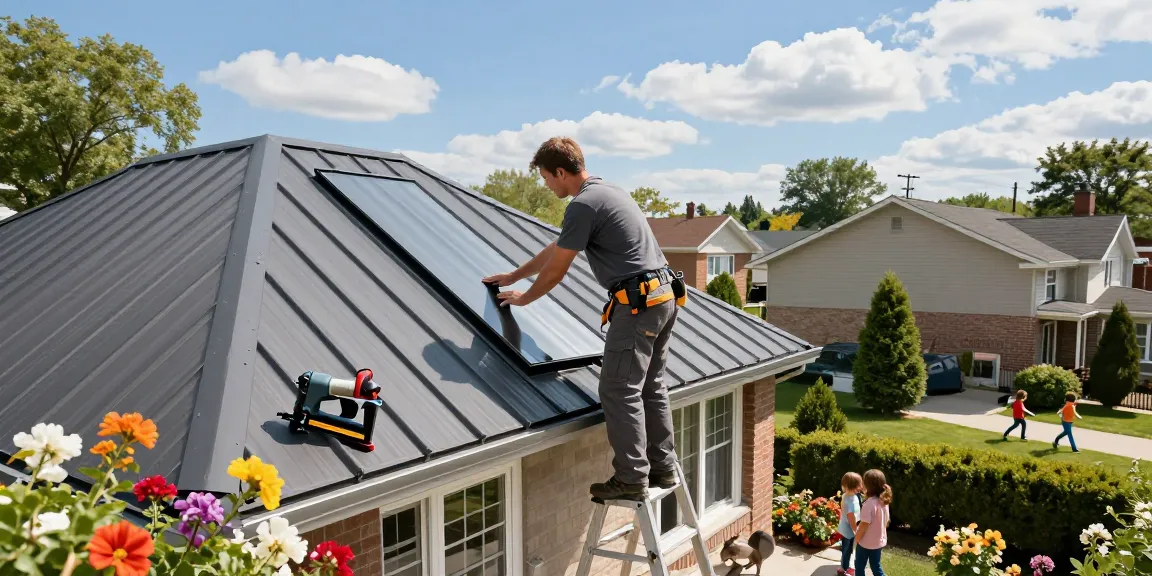
Metal roofing refers to roofing materials made from various metals, including steel, aluminum, copper, and zinc. These materials are formed into panels or shingles, providing a protective layer for residential and commercial buildings. Unlike traditional roofing materials—such as asphalt shingles or tile—metal roofing offers superior durability and longevity. It can withstand extreme weather, making it ideal for the unique climatic conditions of Toronto.
Advantages of Metal Roofing in Toronto's Climate
The climate in Toronto is characterized by cold winters and hot summers, presenting specific challenges for roofing materials. Metal roofing is well-suited for these conditions due to several factors:
- Durability: Metal roofs can last over 50 years with minimal maintenance, far exceeding the lifespan of traditional roofing options.
- Weather Resistance: They are resistant to snow, rain, and high winds, preventing leaks and structural damage.
- Energy Efficiency: Reflective metal surfaces reduce heat absorption, which can lower cooling costs during hot summer months.
- Fire Resistance: Metal roofing is non-combustible, offering better protection against fire hazards.
Types of Metal Roofing Materials Available
Several types of metal roofing materials cater to diverse aesthetic preferences and budgets. The most common include:
- Steel: Galvanized and galvalume steel are the most popular choices, known for their strength and affordability.
- Aluminum: Lightweight and resistant to corrosion, aluminum is ideal for coastal areas but comes at a higher price.
- Copper: Renowned for its longevity and visual appeal, copper develops a distinctive green patina over time.
- Zinc: This material is highly durable and recyclable, making it an eco-friendly choice.
Identifying the Right Time for Installation
Choosing the right time to install metal roofing is crucial for ensuring optimal performance. In Toronto, seasonal factors can significantly impact the installation process.
Seasonal Considerations for Metal Roofing Toronto
While metal roofing can be installed year-round, the best seasons are typically spring and fall. During these periods, temperatures are moderate, allowing for optimal sealing and expansion of materials. Additionally, avoiding the extreme weather conditions of winter or the heat of summer can contribute to a smoother installation process.
Impact of Weather on Installation Timing
Weather conditions directly affect the installation of metal roofing. Rain, snow, or extreme heat can hinder roofing work:
- Winter: Snow and ice can create unsafe working conditions and disrupt the installation process.
- Summer: Excessive heat can cause materials to expand too rapidly, complicating the installation.
- Rainy Days: Wet surfaces can lead to slipping hazards and poorer adhesion of materials.
Scheduling Your Project: Best Practices
When planning your metal roofing installation, consider the following best practices:
- Consult with a professional to assess your roof's condition before scheduling.
- Check the weather forecast to avoid planning installation on rainy or extremely hot days.
- Allow flexibility in your schedule to accommodate potential weather delays.
Cost Analysis and Budgeting for Metal Roofing
Investing in metal roofing requires careful financial planning. Understanding the costs associated with materials and installation can help homeowners budget effectively.
Understanding the Investment in Metal Roofing Toronto
The initial cost of metal roofing is typically higher than traditional materials. However, considering the long-term benefits, such as reduced repair costs and energy savings, the investment can be justified. On average, homeowners may expect to pay between $7 to $12 per square foot for metal roofing, depending on materials and installation complexity.
Comparing Costs with Other Roofing Materials
When compared to asphalt shingles, which may cost between $3 to $5 per square foot, metal roofing's higher initial price reflects its longevity and reduced maintenance needs. Here’s a brief comparison:
- Metal Roofing: Initial cost higher, lifespan over 50 years, low maintenance.
- Asphalt Shingles: Lower initial cost, lifespan around 20 years, higher maintenance frequency.
- Tile Roofing: High cost, lifespan up to 50 years, requires professional installation.
Financing Options for Homeowners
Various financing options are available for homeowners considering metal roofing. Many contractors offer payment plans or financing through third-party lenders. Additionally, government rebates for energy-efficient roofing materials may be available, further offsetting costs.
Finding the Right Contractor for Metal Roofing
Choosing a qualified contractor is essential for achieving the best results from your metal roofing project. A reliable contractor will ensure quality installation and adherence to local building codes.
What to Look for in a Roofing Contractor
When selecting a roofing contractor, consider the following criteria:
- Experience: Look for contractors who have specialized in metal roofing for several years.
- Licensing and Insurance: Ensure the contractor has the necessary licenses and insurance to protect you from liability.
- Warranty: A good contractor will offer warranties on workmanship and materials used.
Questions to Ask Before Hiring
Before hiring a contractor, consider asking these important questions:
- Can you provide references from previous metal roofing projects?
- What is your estimated timeline for the project?
- How do you handle unexpected costs and project changes?
Checking References and Reviews
It’s imperative to check references and online reviews. Look for feedback on the contractor's workmanship, reliability, and customer service. Websites like Google Reviews, Yelp, and the Better Business Bureau (BBB) can provide valuable insights into a contractor's reputation.
Long-Term Care and Maintenance of Metal Roofing
Regular maintenance is key to ensuring the longevity of your metal roof. Below are some essential tips for keeping your metal roof in optimal condition.
Routine Maintenance Tips for Longevity
To maintain the integrity of your metal roof, consider these routine maintenance practices:
- Inspect regularly for rust or damage, especially after severe weather.
- Clean gutters and downspouts to prevent water buildup.
- Remove debris, such as leaves and branches, to avoid potential damage.
Common Issues and How to Address Them
Common issues with metal roofing include rust, dents, and loose panels. Here’s how to address these problems:
- Rust: Apply a rust-inhibiting primer and repaint with high-quality metal paint.
- Dents: Minor dents can often be pushed back out, but severe damage may require panel replacement.
- Loose Panels: Check that screws and fasteners are properly secured; replace any missing fasteners.
Preparing Your Metal Roof for Harsh Weather
To prepare your roof for winter or severe storms, ensure all panels are secure and consider installing snow guards to prevent accumulation. Additionally, inspect flashing around chimneys and vents to prevent leaks.
What are the Advantages of Metal Roofing?
In summary, the advantages of metal roofing include:
- Longevity and durability.
- Energy efficiency and reduced utility bills.
- Minimal maintenance requirements.
- Variety of styles and colors to enhance curb appeal.
Are There Any Disadvantages to Metal Roofing?
While metal roofing offers many benefits, there are a few disadvantages to consider:
- Higher initial costs compared to traditional materials.
- Noise levels during severe weather, though insulation can mitigate this issue.
- Expansion and contraction can cause minor dents or scratches if not installed correctly.
How Long Does a Metal Roof Last?
On average, a well-maintained metal roof can last between 40 to 70 years, depending on the material used and environmental factors. This longevity makes it a valuable investment for homeowners looking for a lasting roofing solution.